

KnowYourCasinos
Caribbean Stud Poker
Learn antes, raise decisions and dealer qualification before comparing it with other poker-style games.
Quick facts
- Game type
- Poker Variant
- Main bets
- Ante / Raise / Fold
- Goal
- Beat the Dealer
- Pace
- Medium
- Difficulty
- Intermediate
- Key concepts
- Dealer Qualifies
Introduction
Caribbean Stud Poker is a five-card casino poker game played against the dealer. Each round starts with an ante, then players decide whether to raise or fold.
Dealer qualification is a key part of the game because it affects how the final result is paid.
Rules
Caribbean Stud Poker is a five-card casino poker game played against the dealer. The rules focus on the ante, the raise-or-fold decision and whether the dealer qualifies.
Starting hand
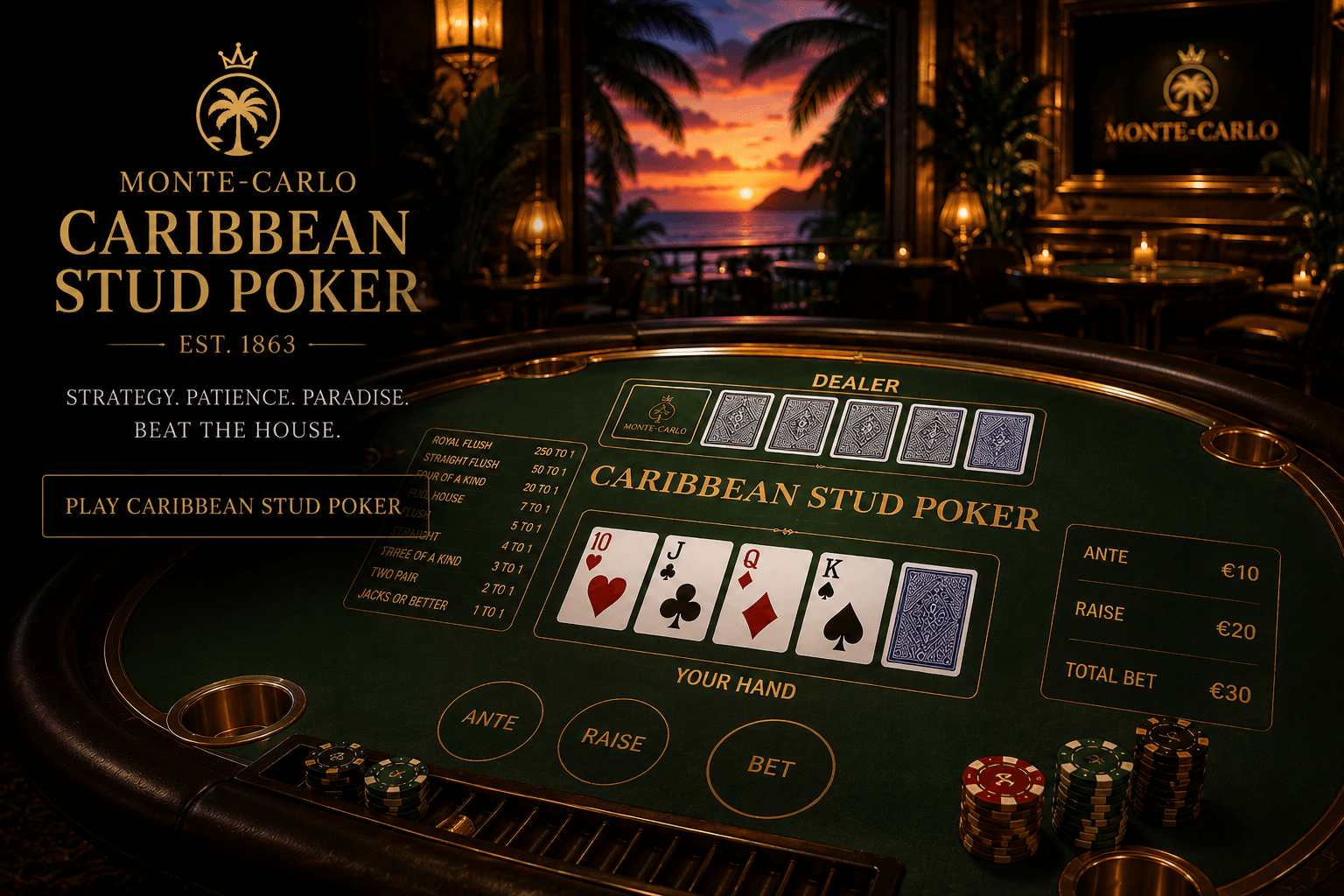
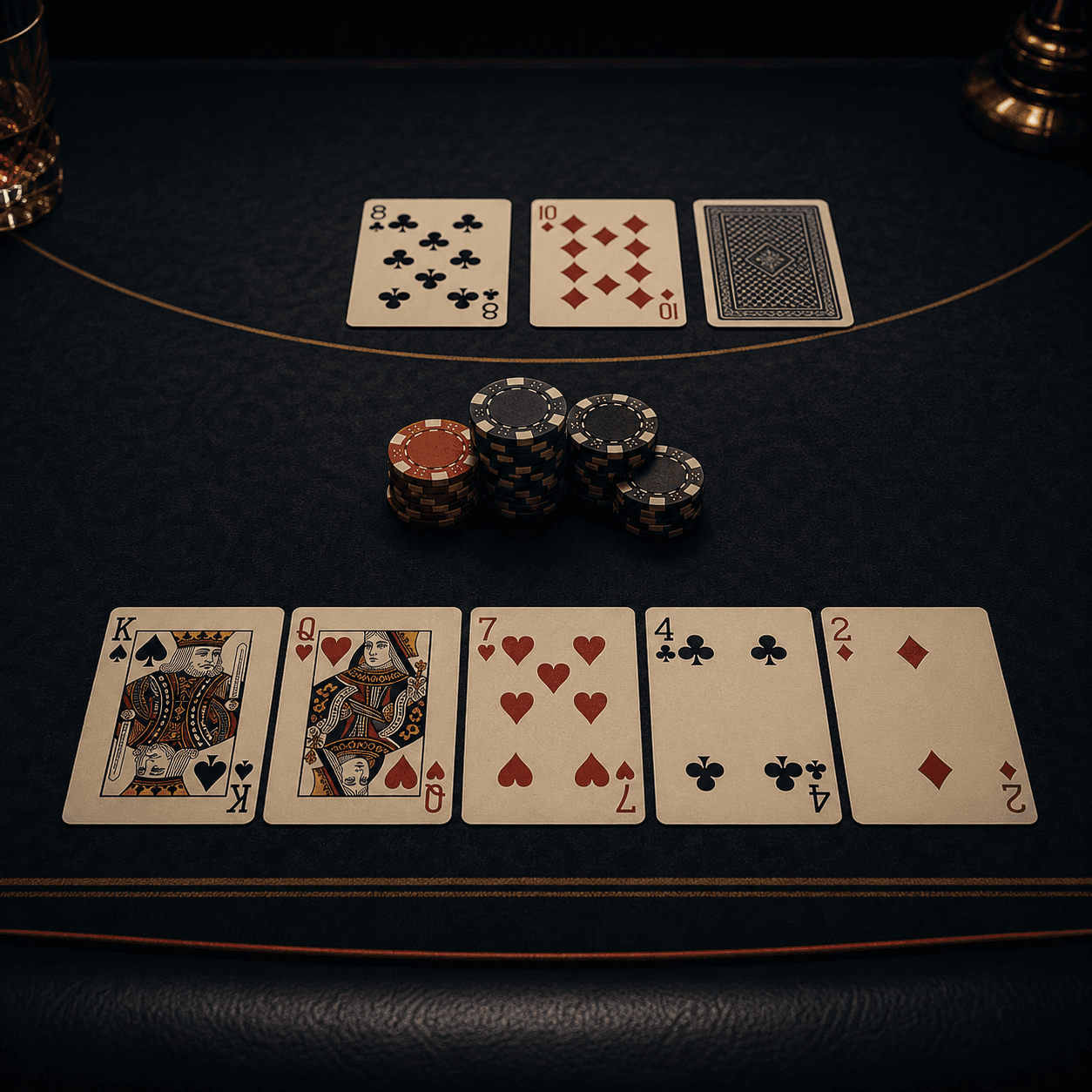
The player places an ante bet. Both player and dealer receive five cards. The dealer usually exposes one card. The player reviews their full hand before deciding.
Raise or fold
Folding ends the hand and loses the ante. Raising continues the hand with an additional bet. The player cannot draw replacement cards. The final result uses the original five-card hand.
Dealer qualification
The dealer must qualify for some payouts. Qualification often requires ace-king or better. If the dealer does not qualify, the hand may pay differently. If the dealer qualifies, the stronger hand wins.
Table flow
Caribbean Stud flow is built around one five-card hand and a raise-or-fold decision. There is no drawing, bluffing or opponent reading.
Ante
Place the starting bet.
Five cards
Receive your full hand.
Dealer card
One dealer card is usually visible.
Raise or fold
Continue with a raise or end the hand.
Dealer qualifies
The dealer hand must qualify.
Compare hands
Payouts depend on qualification and hand strength.
Variations
Caribbean Stud variations usually change side bets, prize options or table format. The main game still revolves around a five-card hand and dealer qualification.
Standard Caribbean Stud
The base version with ante, raise-or-fold decision and dealer qualification.
Progressive Caribbean Stud
A format with an optional progressive side bet.
Bonus Payout Tables
Versions where selected strong hands receive different bonus rewards.
Live Caribbean Stud
A streamed dealer format with real-time table flow.
Low-Limit Caribbean Stud
A slower, smaller-stake format for learning the rules.
Odds explained
Caribbean Stud odds are shaped by your five-card hand and whether the dealer qualifies. Since there is no drawing or bluffing, the main decision is whether your starting hand is strong enough to raise or weak enough to fold.
Dealer qualification can change how payouts resolve, which makes it one of the most important concepts to understand. Progressive or bonus side bets may offer larger rewards, but they are usually harder to hit and should be treated as higher-risk options.
Strategy basics
Caribbean Stud strategy focuses on the raise-or-fold decision. Since there is no drawing, bluffing or opponent reading, the strength of the original five-card hand matters most.
Evaluate the hand
Your first five cards are your final hand. There is no second chance to draw replacements.
Know the dealer rule
Dealer qualification changes how the result is paid. Understanding this rule is essential before judging outcomes.
Avoid weak raises
Raising weak hands increases the amount at risk. Base the raise-or-fold decision on hand strength and the visible dealer card, not on a desire to recover losses.
Treat jackpots separately
Progressive side bets may offer large rewards, but they are usually much harder to hit than the main game.
Glossary
- Ante
- Place the starting bet.
- Five cards
- Receive your full hand.
- Dealer card
- One dealer card is usually visible.
- Raise or fold
- Continue with a raise or end the hand.
- Dealer qualifies
- The dealer hand must qualify.
- Compare hands
- Payouts depend on qualification and hand strength.
Frequently asked questions
What is Caribbean Stud Poker?
Caribbean Stud Poker is a five-card casino poker game played against the dealer. Each round starts with an ante, then players decide whether to raise or fold. Dealer qualification is a key part of the game because it affects how the final result is paid.
How does Caribbean Stud Poker work?
Caribbean Stud flow is built around one five-card hand and a raise-or-fold decision. There is no drawing, bluffing or opponent reading. Ante: Place the starting bet. Five cards: Receive your full hand. Dealer card: One dealer card is usually visible. Raise or fold: Continue with a raise or end the hand. Dealer qualifies: The dealer hand must qualify. Compare hands: Payouts depend on qualification and hand strength.
What affects the odds in Caribbean Stud Poker?
Caribbean Stud odds are shaped by your five-card hand and whether the dealer qualifies. Since there is no drawing or bluffing, the main decision is whether your starting hand is strong enough to raise or weak enough to fold. Dealer qualification can change how payouts resolve, which makes it one of the most important concepts to understand. Progressive or bonus side bets may offer larger rewards, but they are usually harder to hit and should be treated as higher-risk options.
Can a Caribbean Stud Poker strategy guarantee a profit?
No. A strategy cannot guarantee a winning hand, round or session. Understanding the rules can help you avoid mistakes, but money remains at risk. Set a fixed entertainment budget, take breaks and never chase losses.
Responsible play
Gambling involves risk and is not a way to earn an income. Only play where it is legal for you, meet the local minimum age, set spending and time limits, and never chase losses. You can use these guides without gambling. Visit Responsible Gambling for support information.
Responsible gambling information and support